THE INSTITUTE · OUR STORY
How an idea became an Institute.
Institute for AI did not start with a ready-made business model. It grew out of conversations, practical questions from organisations and, above all, the experience that AI competence takes more than individual workshops.
- 01
THE MOMENT
SheInnovates by SHEconomy
A defining moment came at a panel at SheInnovates by SHEconomy. Afterwards, many people approached Florentina Zach. They wanted to know how to develop their own AI competence, which training made sense and how organisations could prepare their employees for this change.
Florentina was already working extensively in AI consulting. As Austria’s first TÜV-certified AI consultant, she had experienced how important demonstrable competence and professional standards were becoming in this emerging field.
An idea grew out of these conversations.
- 02
“FLORENTINA, GO FOR IT.”
Tanja Settele & Michaela Benkitsch
And two people said very early on: “Florentina, go for it. We’ll support you.”
Tanja Settele and Michaela Benkitsch helped shape the initial thinking. A business plan took shape, learning content was structured, and individual topics gradually became a learning architecture.
- 03
RESPONSIBILITY BECOMES PART OF THE SYSTEM
EU AI Act · Law · Governance
Then another theme became part of the work — one that remains essential today: responsibility.
The EU AI Act made it clear that professional AI competence could not consist solely of prompting and tools. Law, governance, data protection and responsibilities had to be part of the system. Mario Burger contributed legal expertise, helping to develop a corresponding module.
- 04
MODULES BECOME QUALIFICATIONS
Learning pathways with a clearly defined qualification.
Content became learning pathways. Learning pathways became qualifications.
Institute for AI develops the curricula, designs the training and delivers it. This provides the foundation for clearly defined learning pathways and qualification requirements.
The next step was independent person certification: through Quality Austria Academy for defined qualification pathways under EN ISO/IEC 17024, and through WKO Zertifizierungsstelle Österreich for the Certified AI Expert. The Certified AI Expert qualification context includes 14 ECTS.
This established more than training programmes: it created transparent qualification pathways with independent certification bodies.

Independent person certification for defined qualification pathways. Curricula and training: Institute for AI. - 05
THE FIRST PROOF
Master Application → Bank → Raiffeisen
The first major step into the market began almost quietly.
As part of her own certification, Florentina Zach had developed a Master Application. The example concerned a bank. She sent the work to her regional bank with a simple message: if the topic interests you, take a look.
The document was passed on.
Conversations followed — and eventually training within the Raiffeisen network.
- 06
FROM TRAINING TO TRANSFORMATION
Practice broadens the perspective.
This kind of development continues to shape the Institute: a concrete question becomes a use case; a use case becomes a learning or transformation project.
BANKING
For banks, this means more than introducing employees to new AI tools. It also means compliance, documentation, responsibilities and safe application.
AUTOMOTIVE
For a car dealership group in Lower Austria, the question is how AI can be used meaningfully across several businesses — from practical use cases to training, processes and organisational implementation.
MUNICIPALITIES / LEADER
AI has also reached local government. In the LEADER region, this includes helping municipalities build competence while providing orientation on tools, policies, documentation and responsible use.
It became increasingly clear that companies and organisations need two things at the same time.
People who understand AI. And structures that enable them to use it meaningfully.
This led to the two pillars of Institute for AI: Corporate Learning & Qualification and AI Strategy Sprint & Transformation.
- 07
KNOW YOUR TRIBE
You do not build something like this alone.
One of the most important lessons along the way is simple: you do not build something like this alone.
In her keynotes, Florentina Zach often says: Know your tribe.
This means people you can rely on. People whose strengths differ from your own. People who take an idea further, take responsibility and say: we will do this together.
They include Tanja Settele and Michaela Benkitsch, who contributed ideas and support from the beginning. Peter Raehse brings expertise in Conversational AI, voice bots and agentic systems. Mario Burger connects AI with law and governance. Lilia Schraut develops new approaches such as the Prompt Carbon Index.
Equally important are the people supporting the Institute’s organisation and communication: Julia Kalchhauser, Evelyn Weißenböck, Katja Letonja and Maximilian.
Different perspectives, different roles — and a shared idea.
Institute for AI therefore grew from more than an entrepreneurial idea. It is the result of many people bringing their knowledge together and building something collectively.
That is something to be proud of.
And it is why the thinking continues.

Tanja Settele 
Michaela Benkitsch 
Peter Raehse 
Mario Burger 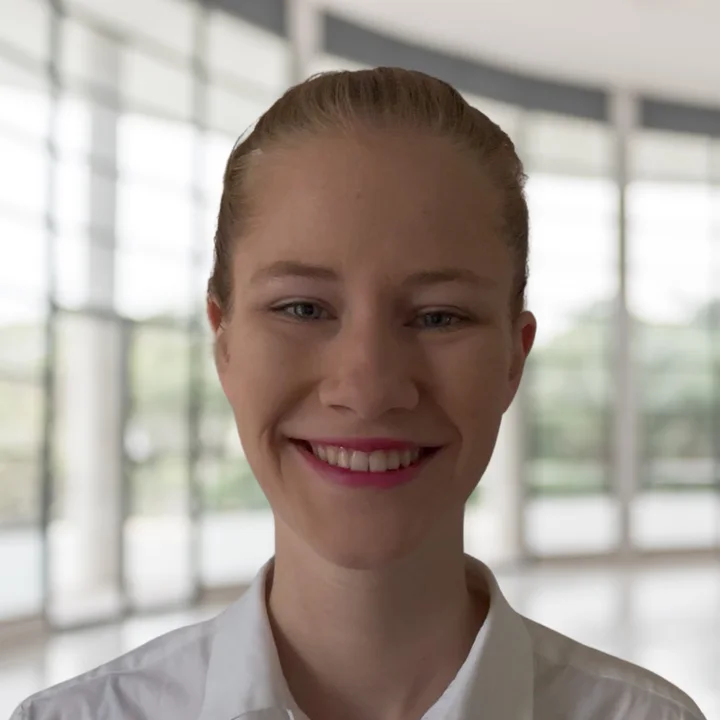
Lilia Schraut 
Julia Kalchhauser 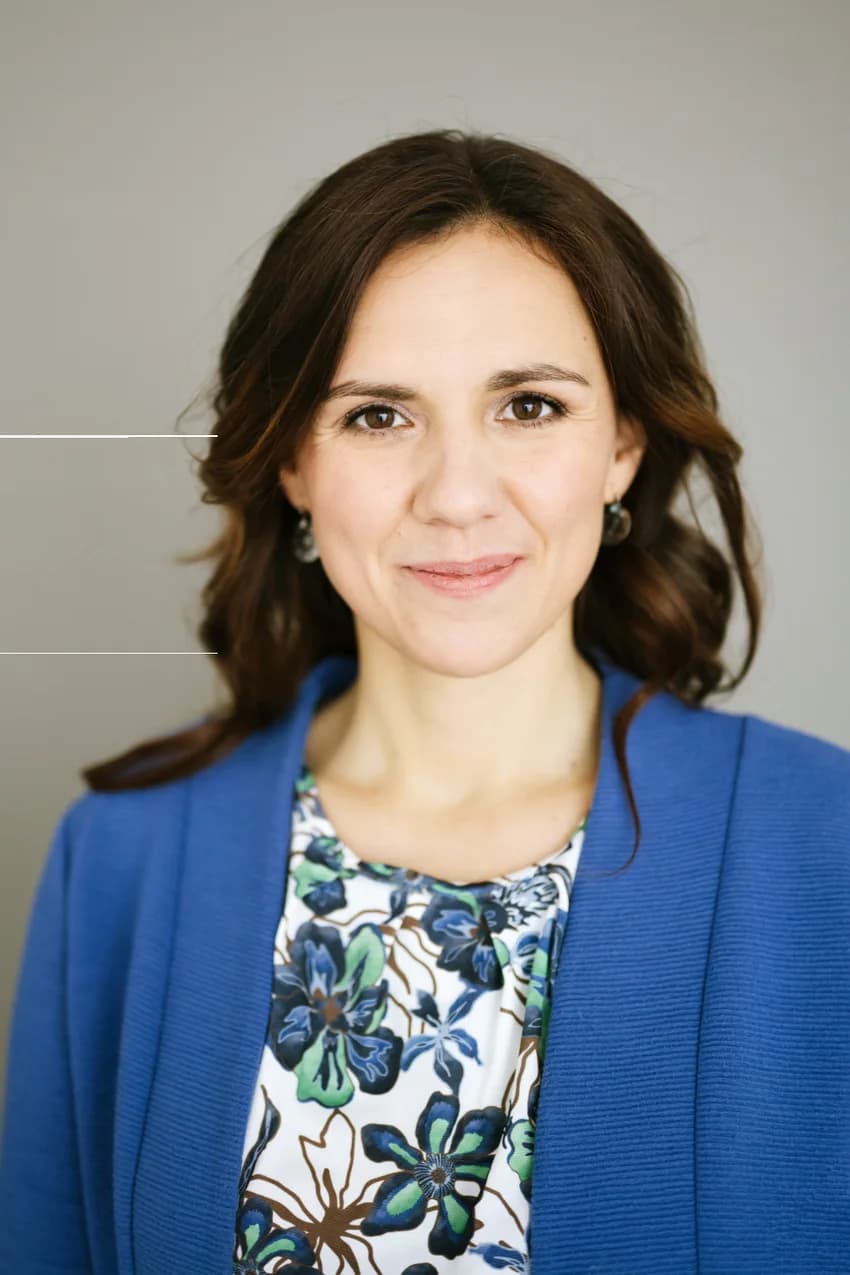
Evelyn Weißenböck 
Katja Letonja 
Maximilian Haller
THE INSTITUTE TODAY
From our beginnings to the present.
Explore how the Institute works today, the people contributing their expertise and the distinct roles of training and independent certification on our About page.
Explore the Institute todayMeet the people & expertise